
Is Comprehensive Car Insurance a Scam? Why You’re Overpaying $78 Every Month

comprehensive car insurance
Table of Contents

Comprehensive car insurance represents one of the most misunderstood and overpriced coverage types in auto insurance policies. Millions of drivers waste $600 to $1,200 annually maintaining comprehensive coverage on vehicles where the premium cost exceeds any realistic claim benefit. Insurance companies profit enormously from this confusion, collecting billions in premiums while paying relatively few comprehensive claims. As a licensed Property & Casualty insurance professional with CPCU designation and 15+ years of industry experience, I’ve analyzed thousands of comprehensive coverage decisions. 

This guide reveals when comprehensive insurance makes financial sense, when it becomes an expensive waste of money, and how to calculate the exact break-even point for your specific vehicle. You’ll learn what comprehensive coverage actually protects, how much you’re paying compared to your vehicle value, which alternatives provide better value, and the precise decision framework for keeping or dropping this coverage.

What Comprehensive Car Insurance Actually Covers and Costs

Comprehensive coverage pays for damage to your vehicle from non-collision events, including theft, vandalism, weather damage, fire, falling objects, and animal strikes. This coverage protects your car from “acts of God” and criminal activity rather than accidents involving other vehicles.

Comprehensive Coverage Inclusions and Exclusions:

Covered EventsNot Covered EventsTypical DeductibleAverage Annual Cost
Theft of the entire vehicleTheft of personal items inside$500 to $1,000$150 to $300
Vandalism and malicious damageIntentional damage by policyholder$500 to $1,000Varies by location
Hail, wind, flood damageEarthquake damage (separate coverage)$0 to $1,000Higher in severe weather states
Fire damageEngine fire from poor maintenance$500 to $1,000$100 to $250
Falling objects (trees, debris)Damage from items you were hauling$500 to $1,000$80 to $200
Animal strikes (deer, livestock)Pet damage inside the vehicle$0 to $500Higher in rural areas
Glass breakageWindshield cracks from road debris$0 to $100$50 to $150
Riots and civil disturbanceWar or nuclear hazard$500 to $1,000Rare coverage use

Comprehensive coverage costs vary dramatically based on vehicle value, location, deductible selection, and claims history. The national average comprehensive premium equals $134 annually, according to the Insurance Information Institute. However, individual costs range from $80 to $400+ yearly, depending on these factors.

Comprehensive Premium Calculation Factors:

Vehicle value drives comprehensive premiums more than any other factor. Insurers calculate premiums as a percentage of actual cash value, typically 1% to 3% annually. A vehicle worth $20,000 generates $200 to $600 in annual comprehensive premiums. A vehicle worth $3,000 costs $30 to $90 annually for the same coverage.

Geographic location significantly impacts rates. Drivers in areas with high theft rates, severe weather, or large deer populations pay substantially more. Michigan, Louisiana, and Florida residents pay 40% to 80% above national averages due to theft and weather risks. North Dakota, Wyoming, and Montana drivers pay premiums 50% to 100% above average due to animal strike frequency.

Deductible selection inversely affects premiums. A $100 deductible costs 60% to 80% more than a $500 deductible. A $1,000 deductible reduces premiums by 30% to 40% compared to a $500 deductible. This relationship creates opportunities for strategic deductible management based on vehicle value and risk tolerance.

Claims history affects comprehensive rates differently from collision coverage. A single comprehensive claim typically increases rates by 0% to 10% compared to 20% to 40% for at-fault collision claims. Insurers recognize that comprehensive claims often stem from uncontrollable events rather than driver behavior. However, multiple comprehensive claims within three years trigger rate increases of 15% to 30%.

The Critical Cost-Benefit Analysis:

Comprehensive coverage makes financial sense only when the premium cost remains reasonable relative to potential claim payouts. The insurance industry operates on loss ratios measuring claims paid versus premiums collected. Comprehensive coverage loss ratios average 65% to 75%, meaning insurers pay $0.65 to $0.75 in claims for every $1.00 collected in premiums.

This 25% to 35% profit margin favors insurers significantly. However, individual policyholders experience different outcomes. Some drivers never file comprehensive claims, losing 100% of premiums paid. Others file multiple claims, receiving payouts exceeding cumulative premiums. The question becomes whether your specific situation justifies the coverage cost.

The $78 Monthly Overpayment: When Comprehensive Coverage Wastes Money

Car Insurance Bill Stress Overpayment Theme

The $78 monthly figure ($936 annually) represents the median comprehensive plus collision premium Americans pay, according to 2026 Insurance Information Institute data. Many drivers maintaining this coverage on older, depreciated vehicles waste substantial money protecting assets worth less than the cumulative premiums paid.

Vehicle Depreciation vs Coverage Cost Analysis:

New vehicles lose 20% to 30% of value within the first year and 15% to 20% annually thereafter. A $30,000 vehicle depreciates to $21,000 after one year, $17,000 after two years, and $13,600 after three years. Meanwhile, comprehensive and collision premiums decrease slowly, creating an expanding gap between coverage cost and vehicle value.

Comprehensive Coverage Break-Even Timeline:

Vehicle AgeOriginal Value $30,000Current ValueAnnual Comp Premium (2% of value)5-Year Cumulative PremiumCoverage Still Worthwhile?
New$30,000$30,000$600$600Yes, high-value protection
1 Year$30,000$22,500$540$1,140Yes, value exceeds premiums
3 Years$30,000$13,500$405$2,505Marginal, reassess annually
5 Years$30,000$8,100$243$4,290No, premiums exceed value
7 Years$30,000$4,860$146$5,724No, self-insure instead
10 Years$30,000$2,430$73$6,795Definitely no, waste of money

The break-even analysis reveals that comprehensive coverage becomes financially inefficient when vehicle values drop below $4,000 to $5,000. At this threshold, the annual premium represents 5% to 10% of vehicle value. Combined with deductibles of $500 to $1,000, a total loss claim nets only $3,000 to $4,500 while you’ve paid $500+ annually for coverage.

Real World Example of Overpayment:

A driver maintains comprehensive coverage on a 2014 Honda Civic worth $6,500. Her comprehensive premium equals $312 annually with a $500 deductible. Over five years, she pays $1,560 in premiums. If she experiences a total loss in year five, the insurer pays $6,500 minus the $500 deductible, equaling $6,000. Her net benefit equals $4,440 ($6,000 payout minus $1,560 in premiums).

However, the probability of total loss remains low. Comprehensive claims occur at 2% to 4% annually, according to insurance industry data. This driver faces a 90% to 98% chance of zero comprehensive claims over five years. If no claims occur, she loses the entire $1,560 in premiums. The expected value calculation (probability x payout) suggests dropping coverage once vehicle values fall below the five-year premium threshold.

The 10% Rule for Comprehensive Coverage:

Financial advisors recommend dropping comprehensive and collision coverage when annual premiums exceed 10% of vehicle value. This guideline balances protection benefits against premium costs. A vehicle worth $4,000 with comprehensive premiums of $450 (11.25% of value) fails this test, suggesting coverage elimination.

Apply the 10% rule annually as vehicles depreciate and premiums adjust. A coverage decision made three years ago may no longer make financial sense today. Review your policy declarations page showing comprehensive premiums, compare against the current vehicle value (check Kelley Blue Book or Edmunds), and calculate the percentage. Values above 10% indicate overpayment.

What Happens When You Drop Comprehensive Coverage

Saving Money Concept Insurance Savings

Eliminating comprehensive coverage reduces your insurance bill immediately but exposes you to specific financial risks. Understanding these consequences helps you make informed decisions, balancing savings against potential losses.

Financial Impact of Dropping Comprehensive:

Drivers save 15% to 30% on total auto insurance premiums by eliminating comprehensive coverage. A policy costing $1,800 annually drops to $1,260 to $1,530 without comprehensive coverage. These savings accumulate over multiple years, creating substantial long-term benefits for older vehicle owners.

The savings provide funds for alternative uses. Depositing $540 annually (the comprehensive premium savings) into a high-yield savings account earning 4% APR creates an emergency vehicle fund of $2,835 after five years. This fund covers most vehicle repairs or replacement down payments while earning interest rather than enriching insurance companies.

Risk Exposure Without Comprehensive:

Dropping comprehensive coverage means you pay 100% of costs for theft, vandalism, weather damage, fire, or animal strikes out of pocket. The financial impact varies dramatically based on damage severity and vehicle value.

Minor comprehensive claims (cracked windshields, small hail dents, minor vandalism) cost $300 to $1,500 to repair. These amounts often fall below or slightly exceed deductibles anyway, meaning comprehensive coverage provides minimal benefit. Paying out of pocket for these repairs costs about the same as paying deductibles while avoiding potential rate increases from claims.

Major comprehensive claims (total theft, severe weather damage, significant fire damage) create larger financial exposure. A stolen vehicle worth $8,000 represents a substantial uninsured loss. However, theft probability remains extremely low at 0.2% to 0.5% annually in most areas. The expected annual cost of theft risk (probability x loss) equals $16 to $40, far below typical comprehensive premiums of $200 to $400.

State Requirements and Lender Restrictions:

No state requires comprehensive coverage by law. States mandate only liability insurance protecting others from your actions, not physical damage coverage on your own vehicle. Drivers can legally drop comprehensive coverage at any time without violating state insurance requirements.

Lenders require comprehensive coverage for financed or leased vehicles. Auto loan contracts and lease agreements mandate comprehensive and collision coverage protecting the lender’s financial interest in the vehicle. Dropping coverage while carrying a loan violates your loan agreement, potentially triggering default provisions or force-placed insurance at exorbitant rates.

Pay off vehicle loans before considering comprehensive coverage elimination. Once you own the vehicle outright, coverage decisions rest entirely with you. Lenders lose leverage to mandate coverage after the final loan payment. This timing often aligns well with vehicle depreciation, as most loans extend three to six years when vehicles depreciate below optimal comprehensive coverage thresholds.

Strategic Alternatives to Traditional Comprehensive Coverage

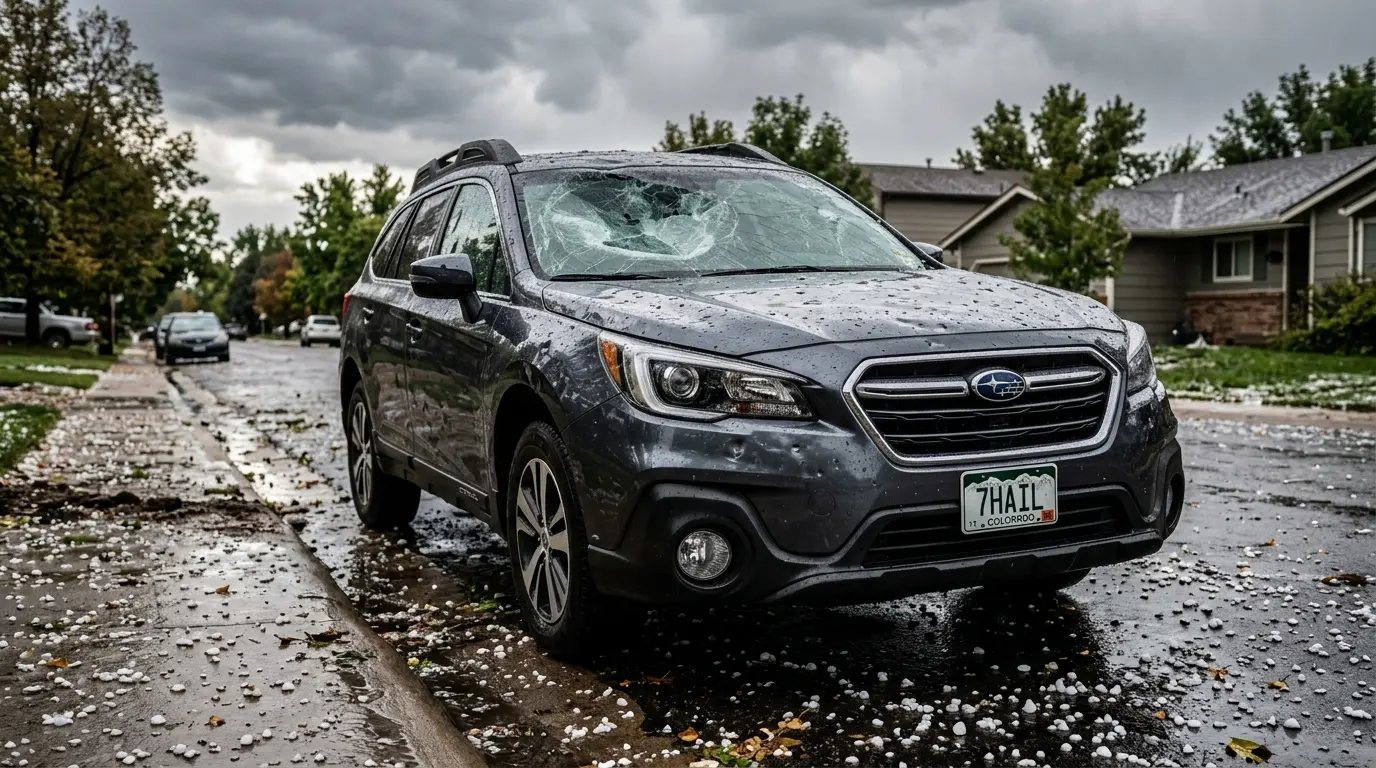
Damaged Car from Weather Comprehensive Coverage Example

Several alternatives provide selective protection against specific comprehensive risks without paying for full coverage you don’t need. These options optimize value by addressing high-probability risks while eliminating low-probability coverage.

Alternative 1: Increase Deductibles to $2,500 or Higher

High-deductible comprehensive coverage costs 50% to 70% less than low-deductible policies. Increasing deductibles from $500 to $2,500 reduces annual premiums from $400 to $120 to $160. This approach maintains catastrophic coverage for total losses while eliminating coverage for minor claims you’d likely pay out of pocket anyway.

The high-deductible strategy works best for drivers with emergency savings covering the deductible amount. Maintain $2,500 to $5,000 in accessible savings before selecting high deductibles. The premium savings of $240 to $280 annually fund the emergency account within 10 to 12 years, even if you eventually file a claim.

Alternative 2: Maintain Only Glass Coverage

Some insurers offer standalone glass coverage or comprehensive policies with $0 deductibles for glass damage only. This specialized coverage costs $40 to $100 annually while covering the most common comprehensive claim type. Windshield replacements cost $200 to $500, making glass coverage mathematically favorable.

Glass coverage proves especially valuable in states like Florida, Arizona, and Texas, where windshield damage occurs frequently from road debris, temperature extremes, and severe weather. Drivers in these high-risk areas should consider glass-only coverage even after dropping full comprehensive.

Alternative 3: Self-Insure Through Dedicated Savings

Create a vehicle emergency fund by depositing your comprehensive premium savings into a dedicated high-yield savings account. Allocate $300 to $500 annually (your avoided premium) to this fund. After three to five years, you accumulate $1,000 to $2,500 covering most comprehensive repair costs or substantial down payments on replacement vehicles.

This self-insurance approach provides flexibility and earns interest rather than paying premiums. Money saved remains yours regardless of claim activity. Unused funds grow over time, potentially covering future vehicle purchases entirely. The compounding effect favors self-insurance increasingly as years pass without major comprehensive losses.

Alternative 4: Pay-Per-Mile Insurance Programs

Usage-based insurance programs from Metromile, Nationwide SmartMiles, or Allstate Milewise charge base rates plus per-mile fees. Low-mileage drivers (under 7,500 miles annually) save 30% to 60% on total premiums, including comprehensive coverage. This approach maintains comprehensive protection while dramatically reducing costs through mileage-based pricing.

These programs particularly benefit retirees, remote workers, and urban dwellers with minimal driving needs. A driver reducing annual mileage from 12,000 to 5,000 miles saves $400 to $800 yearly while keeping comprehensive coverage. The per-mile structure aligns costs with actual risk exposure.

When Comprehensive Coverage Still Makes Perfect Sense
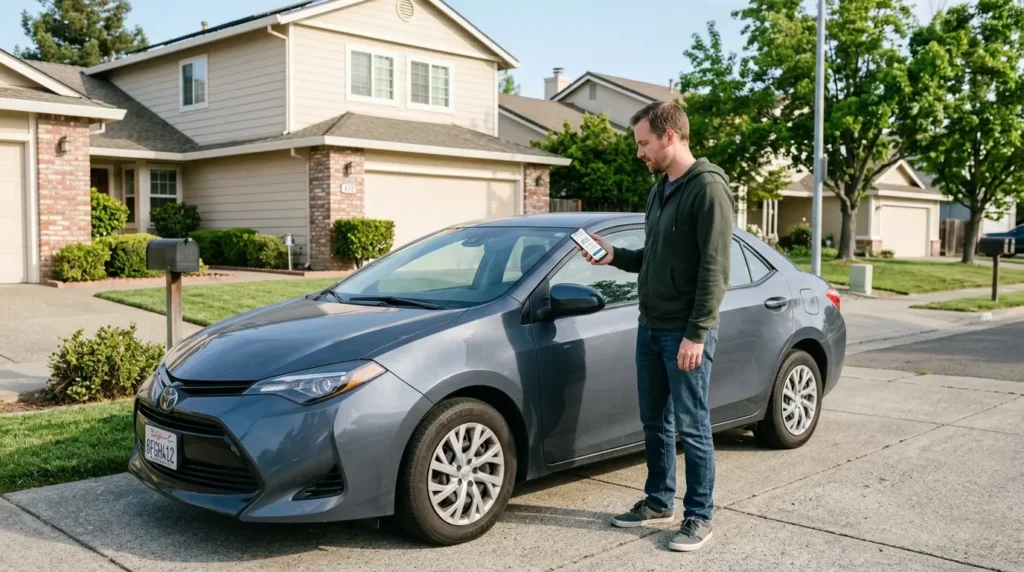
Old Car in Parking Lot Coverage Decision Context

Comprehensive insurance provides genuine value in specific circumstances despite general overpayment trends. Understanding when coverage delivers positive expected value prevents inappropriate elimination in high-risk situations.

Scenario 1: High-Value Vehicles Worth $10,000 or More

Vehicles worth $10,000+ justify comprehensive coverage economically. The premium typically equals $200 to $400 annually (2% to 4% of value) while covering potential losses of $10,000 to $50,000+. This risk-to-premium ratio favors maintaining coverage.

New and late-model vehicles absolutely require comprehensive coverage. A $35,000 vehicle with $700 annual comprehensive premiums provides exceptional value. The 2% premium rate protects against 100% loss potential from theft, severe weather, or fire. No rational financial analysis supports dropping coverage at this value level.

Scenario 2: High-Risk Geographic Locations

Residents in areas with frequent severe weather, high crime rates, or dense wildlife populations benefit from comprehensive coverage regardless of vehicle age. Hail damage in Texas, Oklahoma, and Colorado occurs with 5% to 15% probability annually. Deer strikes in Pennsylvania, Michigan, and Wisconsin affect 3% to 8% of drivers yearly.

The elevated risk probability changes expected value calculations. A $5,000 vehicle in a low-risk area might not justify $250 annual premiums (5% of value). The same vehicle in a high-hail-risk area with 10% annual claim probability justifies premiums through positive expected value. Multiply claim probability by average payout to determine if premiums offer value.

Scenario 3: Vehicles with Active Loans or Leases

Financed vehicles require comprehensive coverage per lender contracts. This legal requirement overrides economic analysis. Violating lender coverage requirements triggers loan default provisions, vehicle repossession, or force-placed insurance costing 200% to 400% more than voluntary coverage.

Focus on comprehensive coverage optimization on owned vehicles without lender requirements. Continue mandatory coverage on financed vehicles, but plan to reassess immediately upon final payment. The loan payoff date marks the appropriate time to evaluate comprehensive coverage value.

Scenario 4: Inability to Absorb Sudden $3,000 to $8,000 Losses

Comprehensive coverage functions as a financial safety net for households lacking emergency savings. Drivers unable to absorb sudden $5,000 vehicle losses should maintain coverage even on moderately valued vehicles. The peace of mind and financial protection justify premiums when emergency funds prove insufficient.

Build emergency savings targeting three to six months of expenses before considering comprehensive coverage elimination. The emergency fund serves multiple purposes, including vehicle repairs, medical expenses, and income replacement during job loss. Once adequate savings exist, reassess comprehensive coverage value using the 10% rule and expected value calculations.

Comprehensive Coverage Decision Matrix:

Vehicle ValueAnnual PremiumPremium as % of ValueGeographic RiskEmergency SavingsKeep or Drop Coverage?
$15,000+Any amountUnder 5%AnyAnyKeep coverage
$8,000 to $15,000$200 to $4002.5% to 5%Any$3,000+Keep coverage
$5,000 to $8,000$150 to $3003% to 6%High-risk areaAnyKeep coverage
$5,000 to $8,000$150 to $3003% to 6%Low-risk area$3,000+Consider dropping
$3,000 to $5,000$100 to $2003.3% to 6.6%Any$2,000+Drop coverage
Under $3,000Any amountOver 10%Any$1,500+Definitely drop

How to Calculate Your Exact Break-Even Point
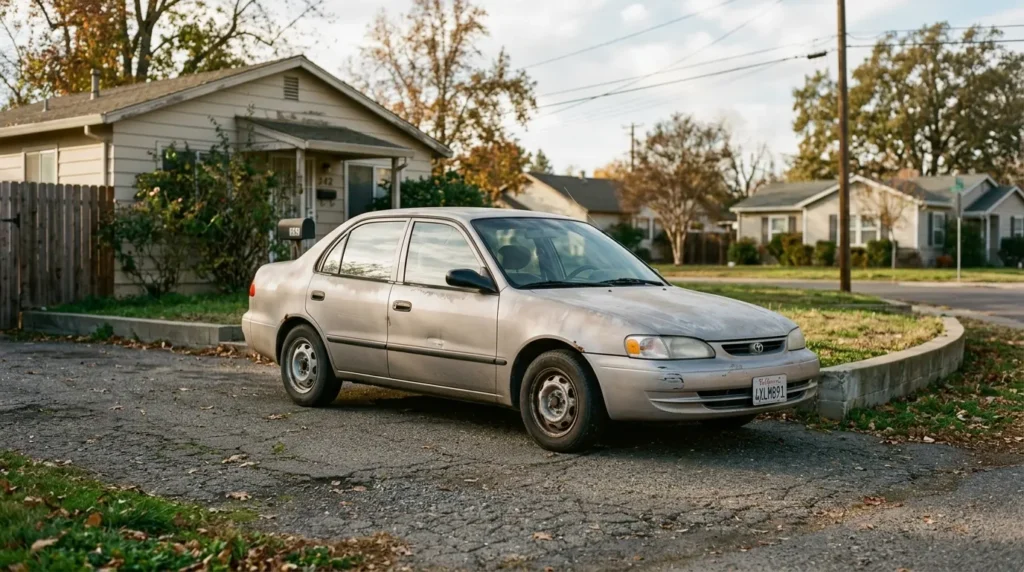
Car Value Inspection Depreciation Concept

Determining whether comprehensive coverage makes financial sense for your specific situation requires calculating expected value based on your vehicle, location, and claims probability.

Step 1: Determine Current Vehicle Value

Obtain accurate vehicle valuation from Kelley Blue Book, Edmunds, or NADA Guides. Use “actual cash value” rather than retail or trade-in values. Actual cash value represents what insurers pay during total loss claims. Input your exact year, make, model, trim level, mileage, and condition.

Vehicle values fluctuate based on market conditions. Used car values increased 25% to 40% during 2021 to 2023 due to inventory shortages. Values declined 10% to 20% during 2024 to 2026 as inventory normalized. Check values annually rather than assuming static depreciation rates.

Step 2: Identify Annual Comprehensive Premium

Review your policy declarations page showing itemized coverage premiums. Comprehensive appears as a separate line item distinct from collision, liability, and other coverages. The annual amount shown represents your exact comprehensive cost.

If you pay monthly, multiply the monthly comprehensive amount by 12. Some insurers charge financing fees for monthly payments, making annual costs 3% to 8% higher than 12 times the monthly amount. Request annual premium quotes to identify true costs.

Step 3: Calculate Premium-to-Value Ratio

Divide the annual comprehensive premium by the current vehicle value. Multiply by 100 to express as a percentage. The formula equals (Annual Premium / Vehicle Value) x 100.

Example: $280 annual premium / $4,500 vehicle value x 100 = 6.2% premium-to-value ratio. Values above 10% strongly suggest dropping coverage. Values between 5% and 10% warrant careful consideration based on risk factors. Values below 5% generally justify maintaining coverage.

Step 4: Factor In Your Deductible

Subtract your deductible from the vehicle value to determine the maximum net claim payout. A $5,000 vehicle with a $500 deductible provides a maximum $4,500 benefit during total loss. This net benefit represents the actual protection value.

Compare net benefit to cumulative premiums over realistic coverage periods. If you maintain coverage for five years, paying $300 annually ($1,500 total), your net benefit equals $3,000 ($4,500 maximum payout minus $1,500 in premiums). This analysis assumes a 100% chance of total loss, which dramatically overstates reality.

Step 5: Assess Personal Risk Factors

Evaluate your specific comprehensive risk based on location, parking situation, and driving patterns. Drivers parking in secured garages in low-crime suburban areas face minimal theft risk. Those parking on streets in high-crime urban areas face elevated theft and vandalism risk.

Weather risk varies by region. Florida, Louisiana, and coastal areas face hurricane and flood risks. Midwest and Plains states face tornado and hail risks. Mountain states face minimal weather risks. Deer strike probability increases in rural and exurban areas with large wildlife populations.

Step 6: Make the Binary Decision

Comprehensive coverage operates as a binary choice; you either maintain full coverage or drop it entirely. Partial comprehensive coverage doesn’t exist beyond deductible variations. Use this decision framework:

Keep comprehensive coverage if ANY of these apply: 

  • Vehicle value exceeds $10,000 
  • Premium-to-value ratio stays below 5% 
  • You lack emergency savings covering potential losses 
  • Geographic or situational risk factors create elevated claim probability 
  • Lender requirements mandate coverage

Drop comprehensive coverage if ALL of these apply: 

  • Vehicle value falls below $4,000 
  • Premium-to-value ratio exceeds 10% 
  • Emergency savings cover potential losses 
  • Low-risk area and parking situation 
  • No lender requirements exist.

Frequently Asked Questions 

Is comprehensive car insurance legally required?

No. States require only liability coverage protecting others. Comprehensive coverage remains optional unless lenders mandate it for financed vehicles.

What does comprehensive car insurance not cover?

Comprehensive excludes collision damage, mechanical failures, normal wear, intentional damage by policyholders, and personal item theft from vehicles.

Does comprehensive insurance cover hitting a deer?

Yes. Animal strikes, including deer, elk, livestock, and other wildlife, qualify as comprehensive claims with typical deductibles applying.

Will my rates increase if I file a comprehensive claim?

Usually not significantly. Comprehensive claims increase rates 0% to 10% compared to 20% to 40% for at-fault collision claims.

Can I drop comprehensive but keep collision coverage?

Yes, though uncommon. Most drivers maintain both or drop both simultaneously since collision coverage alone provides limited value.

How much does comprehensive insurance cost on average?

National average equals $134 annually, but individual costs range from $80 to $400+ based on vehicle value, location, and deductible.

Does comprehensive cover flood damage to my car?

Yes. Flood damage qualifies as a comprehensive claim. However, deductibles apply, and total losses pay actual cash value minus deductibles.

What is the best deductible for comprehensive coverage?

Choose deductibles matching your emergency savings. Select $1,000 deductibles if you maintain adequate savings. Lower deductibles increase premiums substantially.

Does comprehensive insurance cover rental cars?

Only if you purchase comprehensive coverage on rental contracts. Personal comprehensive policies do not automatically extend to rental vehicles.

Should I drop comprehensive on a paid-off car?

Depends on vehicle value. Drop comprehensive when values fall below $4,000 or premiums exceed 10% of value, regardless of loan status.

Stop Overpaying for Comprehensive Coverage Starting Today

Comprehensive car insurance makes financial sense only when vehicle values justify premium costs and risk exposure. Drivers maintaining comprehensive coverage on vehicles worth less than $4,000 waste $200 to $500 annually, paying premiums that exceed potential claim benefits over realistic time periods.

Calculate your premium-to-value ratio by dividing annual comprehensive premiums by current vehicle value. Ratios exceeding 10% indicate immediate overpayment requiring coverage elimination. Ratios between 5% and 10% suggest careful evaluation based on geographic risks, parking situations, and emergency savings adequacy.

Apply the expected value framework, comparing claim probability multiplied by potential payout against annual premium costs. Comprehensive claims occur at 2% to 4% annual rates in most areas. Expected annual claim value rarely justifies premiums when vehicle values drop below $5,000 unless you reside in extremely high-risk locations.

Consider strategic alternatives to traditional comprehensive coverage, including high deductibles ($2,500+), glass-only coverage, self-insurance through dedicated savings, or usage-based insurance programs. These approaches optimize protection while minimizing premium waste.

Maintain comprehensive coverage on high-value vehicles worth $10,000+, financed vehicles requiring lender coverage, or situations where emergency savings cannot absorb $5,000 to $10,000 sudden losses. Coverage provides genuine value, protecting expensive assets and households lacking financial cushions for unexpected vehicle losses.

Review comprehensive coverage decisions annually as vehicles depreciate and circumstances change. Coverage making perfect sense three years ago may represent wasteful spending today. Compare premiums against current vehicle values rather than purchase prices, reflecting outdated valuations.

Picture of Mirza N.
Mirza N.

Professional SEO Specialist & Content Writer