
State Farm homeowners insurance coverage includes six standard protection types: dwelling, other structures, personal property, loss of use, personal liability, and medical payments. The average annual premium is 2,209 dollars for 300,000 dollars in dwelling coverage. Endorsements for water backup, home systems protection, and service lines are available but cost extra and must be added separately.
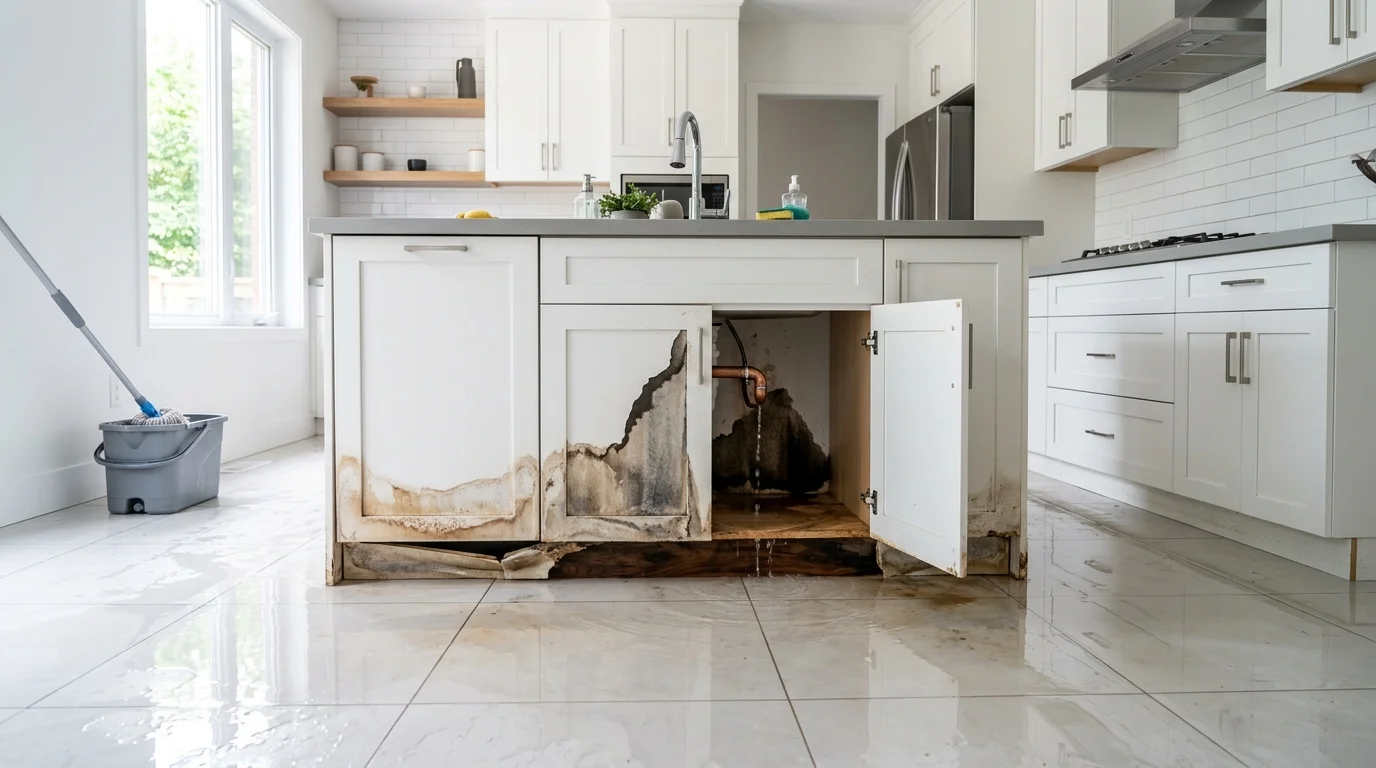
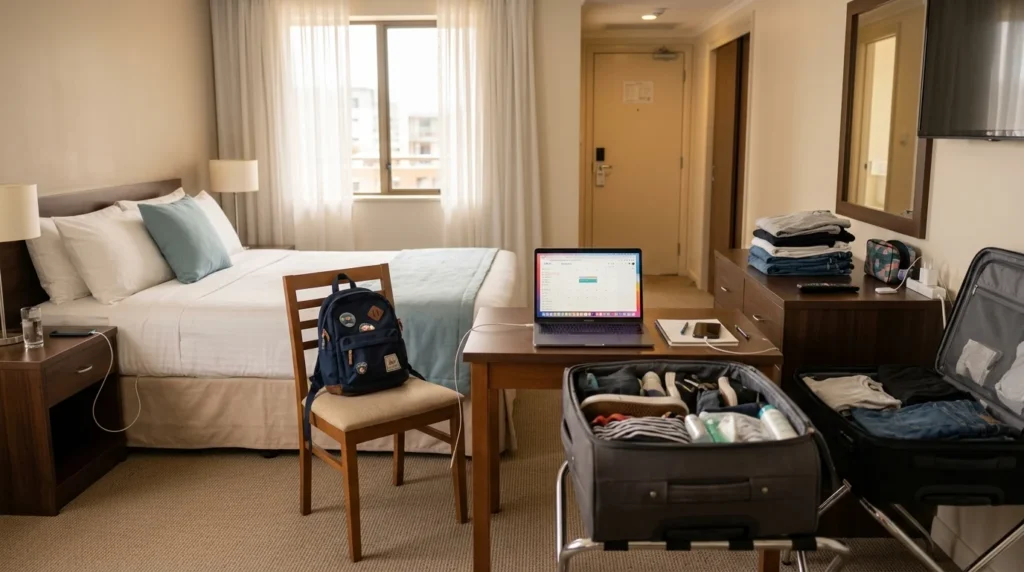
Here’s a hypothetical example that shows how these coverage lines interact: a homeowner leaves for a January vacation. By the next night, a pipe has burst inside the kitchen wall. The water runs for 31 hours before a neighbor notices. By the time a restoration crew finishes the assessment, the total damage is 140,000 dollars. That includes 89,000 dollars in structural repairs, 22,000 dollars in destroyed personal property, and 16,200 dollars in hotel costs for three months of displacement.
A properly configured policy pays 138,500 dollars, leaving the homeowner with a 1,500 dollar out of pocket cost. The reason this claim pays so completely is not luck. Two endorsements on the policy, water backup coverage and home systems protection, cover damage categories that the standard policy excludes. Without those optional upgrades, the water backup portion of the claim would be denied entirely.
A small number of coverage gaps account for most of the surprise denials in homeowners insurance, and every one of them is visible on a declarations page long before a loss happens. Below: the six standard coverage types in a State Farm policy, the endorsements that change claim outcomes, the exclusions that generate surprise denials, and how to structure a quote so the coverage works when you need it.
What Standard Coverage Includes
Every policy includes six coverage types. Most homeowners see these listed on their declarations page and never look further. Here is what each one pays in an illustrative scenario based on industry loss data and what realistic limits look like.
| Coverage | What It Pays For | Standard Limit | What Applied in the Scenario |
|---|---|---|---|
| Coverage A: Dwelling | Rebuilds or repairs the home structure after a covered loss | Based on replacement cost estimate | 89,000 dollars in structural and flooring repairs |
| Coverage B: Other structures | Detached garage, fence, shed, and outbuildings | 10% of Coverage A | Not triggered in this claim |
| Coverage C: Personal property | Replaces belongings damaged or destroyed by a covered event | 50 to 70% of Coverage A | 22,000 dollars in furniture, appliances, and clothing |
| Coverage D: Loss of use | Hotel, food, and laundry costs while the home is uninhabitable | 20 to 30% of Coverage A | 16,200 dollars for three months of temporary housing |
| Coverage E: Personal liability | Legal costs and damages if someone is injured on your property | 100,000 to 300,000 dollars | Not triggered in this claim |
| Coverage F: Medical payments | Immediate medical costs for guests injured on your property | 1,000 to 5,000 dollars | Not triggered in this claim |
The replacement cost estimator calculates your Coverage A limit based on your home square footage, construction type, age, and local rebuild costs. That number is not the same as your home market value.
A home worth 380,000 dollars on the market may cost 290,000 dollars to rebuild from the foundation because the market value includes land. Rebuild cost does not. Using market value as your Coverage A entry overinsures the structure, inflates your annual premium, and pays nothing extra at claim time. The carrier pays replacement cost regardless of what your policy limit says above that figure.
Coverage C is the second number most homeowners underestimate. The replacement cost of furniture, electronics, clothing, kitchen appliances, and personal items in a standard home with three bedrooms typically runs 35,000 dollars to 60,000 dollars. Accepting the default Coverage C limit without verifying it covers your actual belongings is one of the most common coverage gaps in homeowners insurance.
The Coverage D limit matters in major metro areas where hotel costs run 150 dollars to 250 dollars per night. On a 250,000 dollar Coverage A policy, the default Loss of Use limit is 50,000 dollars to 75,000 dollars. That covers 4 to 6 months of hotel costs in most markets. In San Francisco, New York, or Boston, that figure runs shorter. Verify your Coverage D against realistic temporary rental costs in your ZIP code.
The Endorsements That Prevent Claim Denials
Standard home insurance coverage does not automatically include water backup from drains or sewers. It also does not cover a home system breakdown from mechanical failure. Both applied in the illustrative scenario above.
Water from a burst kitchen pipe is a covered peril under the standard policy. Water that backs up through a floor drain or sump pump is not.
The scenario involved water that originated from a burst pipe but exited through a floor drain as pressure built in the line. Without the water backup endorsement, that portion of the damage is technically a sewer and drain event and would be excluded.
Here are the five endorsements the carrier offers beyond the standard policy, what each one covers, and what it costs.
Water backup coverage: Covers water damage when sewers, drains, or sump pumps back up into the home. The standard policy excludes this category entirely. Adding this endorsement costs approximately 40 dollars to 60 dollars per year. The average sewer backup claim runs 4,000 dollars to 8,000 dollars. Without this endorsement, a drain backup that floods a basement is entirely the homeowner financial responsibility.
Home systems protection: Covers mechanical breakdown of appliances and home systems that fail from normal wear rather than a named peril. A furnace that stops working in January, a water heater that bursts, an HVAC compressor that fails. None of these is covered under the standard policy because they result from mechanical failure rather than a storm, fire, or burst pipe. This endorsement costs approximately 60 dollars to 100 dollars per year.
Service line coverage: Covers damage to underground utility lines running between the street connection and your home. A collapsed water main running under your yard, a cracked sewer lateral, a broken gas line under the foundation. Repair and excavation costs for service line failures routinely reach 5,000 dollars to 15,000 dollars. The endorsement costs approximately 30 dollars to 50 dollars per year.
Ordinance or law coverage: Pays the additional cost of rebuilding to current building codes after a covered loss. A 30 year old home rebuilt after a fire may require updated electrical panels, new plumbing, or added insulation to meet current code. These upgrades are excluded from the standard policy and can add 20 to 30 percent to the total rebuild cost. The endorsement costs approximately 50 dollars to 80 dollars per year.
Valuables coverage: Extends Coverage C limits for high value individual items. Standard personal property coverage caps single item payouts for jewelry at 1,500 dollars. An engagement ring worth 8,000 dollars receives 1,500 dollars under the standard policy without this endorsement. Cost varies from 50 dollars to 150 dollars per year, depending on the appraised value of items being scheduled.
| Endorsement | What It Adds | Avg Annual Cost | Without It |
|---|---|---|---|
| Water backup | Sewer and drain backup damage | $40 to $60 | Drain floods: fully out of pocket |
| Home systems protection | Appliance and system mechanical breakdown | $60 to $100 | Furnace failure in winter: not covered |
| Service line | Underground utility line repair and excavation | $30 to $50 | Broken water main under yard: not covered |
| Ordinance or law | Code upgrade costs during a covered rebuild | $50 to $80 | Code upgrades after fire loss: not covered |
| Valuables | Higher per item limits for jewelry and collectibles | $50 to $150 | Single jewelry item capped at $1,500 |
The combined annual cost of all five endorsements runs 230 dollars to 440 dollars. That adds between 19 dollars and 37 dollars per month to the base premium. In the scenario above, the water backup endorsement changed the outcome of a 140,000 dollar claim.
What the Standard Policy Excludes
Every standard policy excludes certain events. Most homeowners encounter these exclusions at claim time rather than before one. Here are the seven exclusions that generate the most surprise denials, what the denial means in real dollar terms, and what coverage addresses each one.
Flood damage: Standard coverage does not include flooding from surface water, storm surge, or rising water bodies. The carrier does not offer a standalone flood policy. Coverage requires a separate NFIP policy or a private flood carrier. The average flood claim in the U.S. runs 52,000 dollars, per FEMA 2024 flood loss data.
Earthquake damage: Not covered under the standard policy. The carrier does not offer an earthquake endorsement in most states. Homeowners in earthquake prone areas need a separate earthquake policy. California homeowners can access the California Earthquake Authority. Other states have private market options.
Gradual water damage: A slow leak behind a bathroom wall that produces mold over four months is not covered. The policy covers sudden and accidental water damage, not gradual deterioration. This distinction is important because a slow pipe leak that a homeowner does not notice can produce 20,000 dollars to 40,000 dollars in hidden structural damage before it becomes visible. The full loss is excluded because it was gradual.
Sewer and drain backup without the endorsement: The standard policy excludes water that backs up through a drain, sewer, or sump pump. As outlined in the previous section, the endorsement costs 40 dollars to 60 dollars per year. Most homeowners skip it because the exclusion is not prominently displayed on the quote summary.
Mold from excluded events: If mold results from a flood or a gradual leak, both excluded from the standard policy, the mold remediation is also excluded. Mold remediation averages 2,200 dollars to 6,700 dollars, depending on the extent and affected area. In humid climates, mold from an undetected slow leak is a real and expensive scenario.
Normal wear and tear: A 20 year old roof that deteriorates is not covered. Foundation settlement, aging plumbing, and mechanical systems that wear out over time are all excluded. Insurance covers sudden losses from covered perils, not the cost of maintaining a home.
Business property and activities: Standard Coverage C limits business property inside the home to 2,500 dollars. Home based business liability is excluded entirely from Coverage E. A homeowner who runs a photography business, a daycare, or a consulting practice from home has significant uninsured exposure under a standard policy. A home business endorsement or a separate BOP addresses this gap.
How Rates Compare in 2026
The carrier is the largest homeowners insurance provider in the United States by market share, with 31.4 billion dollars in direct premiums written in 2024, per the NAIC Market Share Report. It processes approximately 28,000 claims per day and paid 11.4 billion dollars in catastrophic loss claims in 2024. Size matters for claims because it indicates financial resources to pay large volumes of losses simultaneously.
Here is how current pricing compares to major national carriers. Data sourced from Bankrate, November 2025, Insurify, February 2026, and U.S. News, 2026 rate studies.
| Carrier | Avg Annual Premium ($300K dwelling) | J.D. Power Claims (2025) | AM Best Rating |
|---|---|---|---|
| State Farm | $2,209 | 829 / 1,000 | A+ Superior |
| Allstate | $2,584 | 829 / 1,000 | A+ Superior |
| Nationwide | $1,896 | 868 / 1,000 | A+ Superior |
| Travelers | $2,671 | 800 / 1,000 | A++ Superior |
| Amica | $1,510 | 906 / 1,000 | A+ Superior |
The average premium of 2,209 dollars sits below the national average of 2,424 dollars for equivalent coverage, making it one of the more affordable national carriers for standard properties.
One change worth noting for prospective buyers: In November 2025, AM Best downgraded the carrier’s financial strength rating from A++ to A+, citing adverse underwriting performance across its auto and homeowners lines over several consecutive years, a challenging regulatory environment, and elevated weather-related catastrophe losses (including hurricanes, severe convective storms, and wildfires). A+ remains a Superior rating and AM Best continues to assess the group’s balance sheet strength as the strongest tier available.
The carrier does not write new homeowners insurance policies in California, Massachusetts, or Rhode Island as of June 2026. In Florida, coverage is available but requires speaking with a local agent because online quoting is not available for Florida properties. For all other states and Washington D.C., a quote is available online or through any of the 19,000 local agents.
Bundling discounts average 1,273 dollars per year when combining home and auto policies. Additional discounts apply for monitored alarm systems, roofing designed to resist impact, newly constructed homes, and tenure without claims. The bundling discount is the largest single pricing lever available on a quote and applies in all eligible states.
How to Get a Quote With the Right Coverage Setup
Most homeowners get a quote by entering a few property details and accepting the defaults. The default configuration is rarely the right one. Here is the process with seven steps for getting a quote set up to protect against a major loss.
- Gather your property information before opening the website. Year built, square footage, roof age and material, construction type, and five years of claims history. Having this ready prevents the quote from stalling and ensures the prefilled fields are accurate.
- Enter your ZIP code and start the online quote. The online tool works in 47 states. If you are in California, Massachusetts, or Rhode Island, call a local agent directly. If you are in Florida, the online tool may redirect you to an agent contact depending on your property characteristics.
- Use the replacement cost calculator before editing Coverage A. The tool estimates rebuild cost based on your home characteristics. Use that figure as your Coverage A starting point. Do not replace it with your home market value. The two numbers are different, and using the wrong one sets up a coverage gap from the start.
- Set personal property coverage to replacement cost. The quote form will offer actual cash value or replacement cost for Coverage C. Choose replacement cost. Actual cash value pays the depreciated value of your belongings. The premium difference between the two options is typically 40 dollars to 80 dollars per year.
- Add the water backup endorsement. It costs 40 dollars to 60 dollars per year. It covers the category of water damage most frequently denied under the standard policy. This is the single highest value endorsement available per dollar of premium.
- Check your Coverage D limit against real hotel costs in your area. The default Loss of Use limit is 20 to 30 percent of Coverage A. On a 300,000 dollar policy, that is 60,000 dollars to 90,000 dollars. Verify that the figure covers 4 to 6 months of realistic lodging costs near your home before accepting the default.
- Review the full quote summary before comparing the annual premium. The difference between a correctly configured and an underconfigured policy is often 80 dollars to 150 dollars per year in premium. The difference at claim time can be 30,000 dollars to 100,000 dollars. Review every coverage line before looking at the annual cost.
Common Mistakes Homeowners Make Before a Claim
Five mistakes show up repeatedly when reviewing policies before and after major losses. All five come from analyzing industry claims data and policy setups.
1. Using market value instead of replacement cost for Coverage A.
Market value includes land. Rebuild cost does not. A home appraised at 420,000 dollars may cost 310,000 dollars to reconstruct from the foundation. Entering 420,000 dollars as the Coverage A limit overinsures the structure by 110,000 dollars. It inflates the annual premium and produces no additional payout at claim time because the carrier pays actual replacement cost regardless of the stated limit above that figure.
2. Skipping the water backup endorsement because water damage sounds covered.
The standard coverage does include burst pipe water damage. It does not include sewer and drain backup. These are different categories in the policy language and in the claims process. The endorsement costs less than 5 dollars per month. Homeowners skip it because the exclusion is not highlighted during the online quoting process. They discover it when a floor drain backs up after heavy rain.
3. Accepting actual cash value on Coverage C without reading what it means.
Actual cash value pays what your belongings are worth today after depreciation. A sofa purchased five years ago for 3,000 dollars pays out 900 dollars. The premium difference between actual cash value and replacement cost is 40 dollars to 80 dollars per year. Most homeowners choose actual cash value without comparing both options on the form. Replacement cost pays 3,000 dollars to replace that sofa with a current equivalent.
4. Not verifying the Coverage D limit covers realistic displacement costs.
The standard Loss of Use limit feels large on paper. On a 300,000 dollar policy, a 25 percent Loss of Use limit is 75,000 dollars. In high cost markets, a family of four spending 5 months in a hotel or temporary rental can exhaust that limit. Check what three to six months of lodging costs in your area are before accepting the default.
5. Assuming availability without checking state restrictions.
The carrier does not write new policies in California, Massachusetts, or Rhode Island. Homeowners in those states who receive a quote through a comparison tool or third party aggregator are seeing stale data. Verify availability directly at the official website before building a comparison around these rates.
Frequently Asked Questions
What does the coverage include?
Every policy includes six standard coverage types: dwelling (Coverage A), other structures (Coverage B), personal property (Coverage C), loss of use (Coverage D), personal liability (Coverage E), and medical payments (Coverage F). Optional endorsements for water backup, home systems protection, service lines, ordinance and law, and valuables are available for an additional premium and must be added separately.
Does the policy cover water damage from a burst pipe?
Yes. The carrier covers sudden and accidental water damage from a burst pipe under the standard policy. Water that backs up from a drain, sewer, or sump pump is not covered without the water backup endorsement. Gradual water damage from a slow leak is also excluded regardless of endorsements. The water backup endorsement costs approximately 40 dollars to 60 dollars per year.
How much does the coverage cost per year?
The average premium is 2,209 dollars per year for 300,000 dollars in dwelling coverage, per Bankrate November 2025 rate analysis. That sits below the national average of 2,424 dollars for the same coverage level. Premiums vary by state, home age, roof condition, claims history, and insurance score based on credit. Properties in elevated risk states or with older roofs pay significantly more.
Is coverage available in California?
The carrier stopped writing new homeowners insurance policies in California in May 2023 and has not resumed as of June 2026. Existing California policyholders can renew their current policies. New applicants cannot get coverage through this carrier in California. The California FAIR Plan covers wildfire exposed properties that private carriers decline.
What is the current AM Best rating?
AM Best downgraded the carrier’s financial strength rating from A++ to A+ in November 2025, citing several consecutive years of underwriting losses in its auto and homeowners lines, regulatory pressures, and elevated weather-related catastrophe losses generally. A+ is still a Superior rating, and AM Best continues to rate the group’s balance sheet strength at the highest tier.
Does the policy cover mold damage?
The carrier covers mold that results directly from a covered sudden peril, such as mold from a burst pipe. It does not cover mold that results from flooding, gradual leaks, or other excluded events. Mold remediation averages 2,200 dollars to 6,700 dollars. Homeowners in humid climates or with older plumbing should ask their agent about the specific mold coverage limit in their state.
How do I get a quote online?
Go to the official website, enter your ZIP code, and start the online quote process. The tool works in 47 states. Florida properties are sometimes redirected to the agent contact. California, Massachusetts, and Rhode Island require direct agent contact because the carrier does not write new policies in those states.
What endorsements are worth adding?
The water backup endorsement is the highest value add on per dollar of annual premium. At 40 dollars to 60 dollars per year, it covers one of the most commonly excluded categories in homeowners insurance. Service line coverage and ordinance or law coverage are both worth adding for homes older than 20 years. Home systems protection is valuable for homeowners with aging appliances or HVAC systems.
The Coverage Setup That Prevents Financial Ruin
The homeowner in the illustrative scenario paid 138,500 dollars less than their total loss because four coverage lines worked simultaneously. Coverage A rebuilt the structure. Coverage C replaced their belongings. Coverage D covered three months of hotel costs. The water backup endorsement covered the drain backup that the standard policy would have denied.
Those four lines working together are not the default outcome of a policy. It is the result of a policy set up correctly before the loss happened.
Here is what to do with your current or future policy before a claim makes it matter.
- Pull your declarations page and verify your Coverage A limit matches your home current rebuild cost. Use the replacement cost estimator to check. Market value and rebuild cost are different numbers.
- Confirm the water backup endorsement is listed on your policy. If it is not, add it before the next renewal. It costs less than one dinner out per year.
- Check Coverage C and confirm it is set to replacement cost, not actual cash value. If it shows actual cash value, call your agent and ask to switch.
- Look at Coverage D and calculate whether the limit covers 4 to 6 months of realistic lodging in your market. If it falls short, ask your agent to increase it.
Disclaimer: This content is general education drawn from published industry claims data and rate studies, and does not replace advice from a licensed insurance agent or your state insurance department. Coverage terms, availability, pricing, and endorsement options vary by state, carrier, and individual property. Consult a licensed insurance professional for policy specific advice. Verify current availability and coverage options at the official website or through a local agent.