

Most drivers expect a car insurance claims to wrap up in a few days. Then the first estimate comes back, a repair shop needs three weeks for parts, or the other driver’s insurer disputes fault, and the timeline stretches well past what anyone planned for. Understanding what actually drives claim speed helps you set realistic expectations and avoid the frustration of an open-ended wait.
The truth is, “how long does a claim take” doesn’t have one answer. Two drivers with nearly identical accidents can have completely different experiences: one gets paid in five days, the other waits six weeks, based on factors that have nothing to do with luck. Insurer size, claim type, documentation quality, and even the time of year all play a role. What follows walks through what actually happens behind the scenes, so you know what’s normal, what’s a red flag, and what you can control.
How Long Does a Car Insurance Claims Take?
A typical car insurance claim takes anywhere from a few days to six weeks, depending on the type of damage, how clear liability is, and how quickly documentation comes together. Simple claims, a cracked windshield, a minor fender-bender with clear fault, often resolve within a week. Claims involving injuries, disputed liability, or a total loss can take a month or longer.
The number that matters most isn’t a single average. It’s the combination of claim complexity, insurer workload, and how prepared you are when you file. A driver who reports the incident same-day, submits photos immediately, and responds to adjuster requests within hours will almost always see a faster payout than one who waits, forgets documents, or has to track down a police report weeks later.
Insurers also work under state-level requirements that set outer limits on how long they can take to acknowledge and investigate a claim, but those rules define a ceiling, not a target. Most straightforward claims move much faster than the legal maximum. The claims that stretch toward, or past that ceiling are almost always the ones involving injury, disputed fault, or a vehicle that’s declared a total loss. If your claim falls into one of those categories, a longer timeline isn’t necessarily a sign something’s wrong; it’s usually just the nature of the claim.
The Car Insurance Claim Process, Step by Step
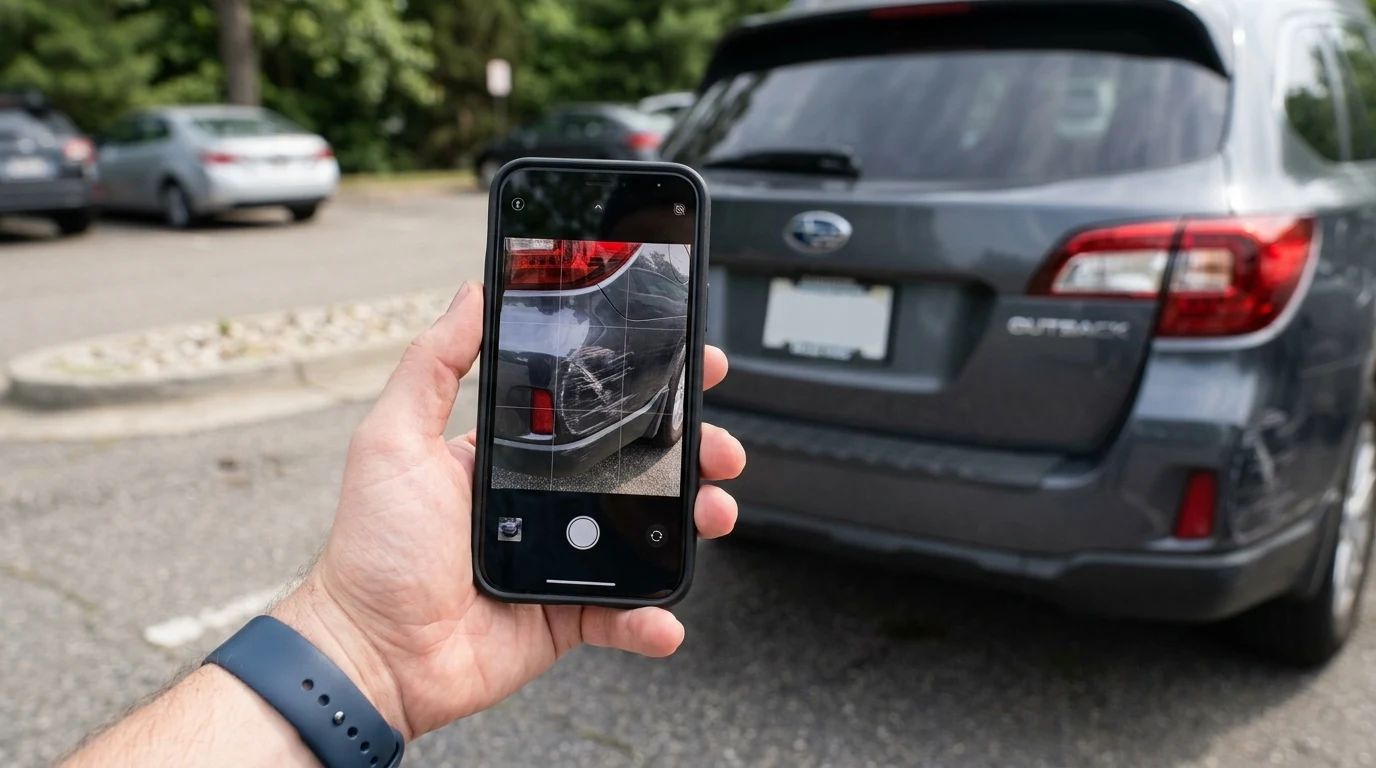
- Reporting the incident. You contact your insurer by phone, app, or website and provide basic details, date, location, other parties involved, and a description of the damage. This step usually takes 15–30 minutes and should happen as soon as it’s safe to do so.
- Claim assignment and adjuster review. The insurer assigns an adjuster, who reviews your report, checks policy coverage, and may contact you for more details. This typically happens within 1–3 business days.
- Vehicle inspection and damage assessment. The adjuster inspects the vehicle in person, through photos you submit, or via a partnered repair shop. This is often the step that adds the most time, especially if scheduling an in-person inspection takes a week or more.
- Settlement offer and payout. Once the adjuster completes the assessment, the insurer issues a settlement offer. If you accept, payment is usually processed within a few business days. Disputes over the offer amount extend this stage significantly.
Between steps three and four, there’s often a smaller step drivers don’t anticipate: repair estimate reconciliation. If you choose your own repair shop instead of an insurer-recommended one, the shop’s estimate and the adjuster’s estimate sometimes don’t match. When that happens, the two sides negotiate a final number before the claim can close, usually a few days of back-and-forth, though it can stretch longer if the gap between estimates is large. Choosing a shop that regularly works with your insurer tends to shorten this step considerably, since both sides are usually already familiar with each other’s pricing standards.
Insurance Claim Processing Time by Claim Type
Not all claims move at the same speed. The table below shows typical ranges based on claim type and what tends to affect them.
| Claim Type | Typical Processing Time | What Affects It |
| Glass or minor damage claim | 2–5 business days | Straightforward repair, low dispute risk |
| Standard collision claim | 1–3 weeks | Repair shop scheduling, parts availability |
| Total loss claim | 3–5 weeks | Vehicle valuation disputes, payoff verification |
| Claim involving injury | 4–8 weeks or longer | Medical documentation, treatment timelines |
| Disputed liability claim | 4–10 weeks | Investigation, witness statements, possible legal involvement |
These ranges reflect common patterns, not guarantees. A claim with no complications can move faster than the low end; one involving multiple parties or an uncooperative insurer can run well past the high end.
Total loss claims deserve a closer look, since they’re often the most misunderstood. The delay isn’t usually about deciding whether the car is a total loss; that determination often happens quickly once the adjuster sees the damage. The real time sink is valuation. The insurer has to research comparable vehicles in your area, account for mileage and condition, and produce a number you can either accept or dispute. If you disagree with the valuation, you can request a reevaluation with your own comparable listings, but that adds time back into the process. Knowing this upfront helps you decide whether it’s worth pushing back or accepting the offer to close things out faster.
What Slows Down an Auto Insurance Claim?
Delays rarely come from one single cause. They usually stack up from a combination of the following:
- Missing or incomplete documentation. Photos, police reports, and repair estimates all need to reach the adjuster before a decision can move forward.
- Disputed fault. When both drivers give different accounts, the insurer has to investigate before assigning liability, which can add weeks.
- Third-party insurer involvement. If the other driver’s insurance company is handling part of the claim, their internal timeline adds to yours.
- Repair shop backlogs. Parts shortages and scheduling delays at body shops are common and largely outside the insurer’s control.
- Adjuster caseload. During high-claim periods, storms, and regional accident spikes, adjusters manage more files at once, which slows individual response times.
- Coverage or policy questions. If there’s any ambiguity about what your policy covers, rental car reimbursement, aftermarket parts, or a lapse in payment history, the insurer has to resolve that before finalizing the claim, which can add several days.
None of these delays are unusual on their own. The problem is that they tend to compound. A claim with a disputed fault call and a backed-up repair shop doesn’t just add the two delays together; it often adds the time it takes for one issue to get resolved before the next one can even start.
How to Speed Up Your Car Insurance Claim
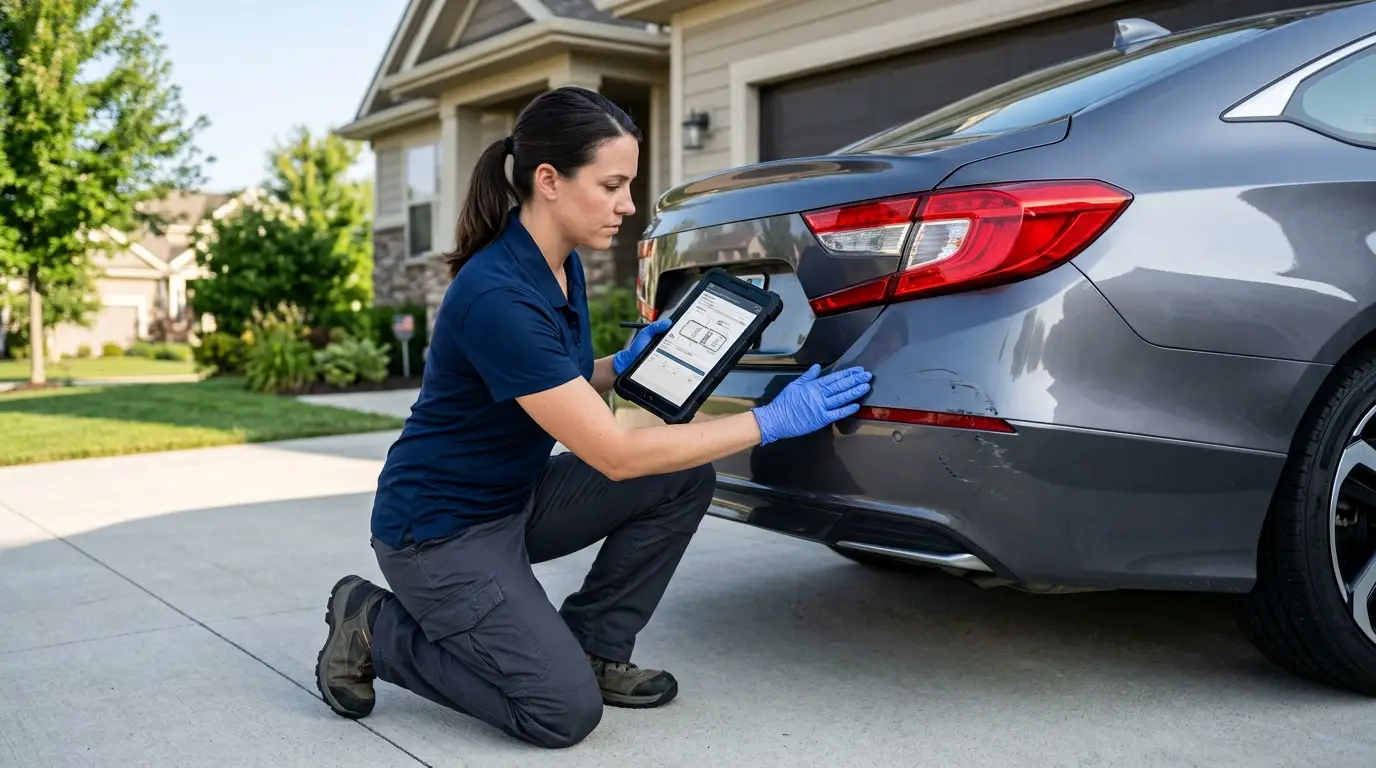
- Report the incident immediately. Delayed reporting delays everything downstream.
- Document thoroughly on the spot. Photos of the damage, the scene, and any visible injuries give the adjuster what they need without follow-up requests.
- Respond quickly to adjuster communication. Missed calls or slow email replies are one of the most common, and most avoidable, sources of delay.
- Use an in-network repair shop when possible. These shops often have a direct line to the insurer, which cuts down on back-and-forth estimates.
- Keep a personal claim file. A folder with your claim number, adjuster contact, and copies of every document submitted makes it far easier to follow up if things stall.
- Ask about direct deposit for payout. Many insurers now offer electronic payment instead of a mailed check, which can shave several days off the final step.
None of these steps guarantee a fast claim; complex cases still take time no matter how organized you are. But for the majority of standard claims, preparation is the single biggest lever you control.
If you’re comparing insurers based on how they handle car insurance claims, not just premiums, our reviews break down real claim-handling patterns by company so you know what to expect before you sign a policy.
Car Insurance Claim Process: What’s Different in 2026?
Digital claim tools have changed parts of the process. Many insurers now accept photo and video submissions directly through an app, which removes the wait for an in-person inspection on straightforward claims. Status tracking has also improved; most major insurers offer real-time updates so you’re not calling in for a progress check.
That said, the fundamentals haven’t changed. Complex claims still require human review, and repair shop capacity remains a bottleneck that no app can fix. The gap between a fast digital-first claim and a slow, disputed one has actually widened as simple claims get faster while complicated ones still move through traditional channels.
Insurers have also leaned further into predictive tools that flag claims likely to need extra scrutiny, patterns that suggest possible fraud, unusually high repair estimates, or inconsistencies between the reported incident and the damage shown. This isn’t new in concept, but it’s more common now, and it means a straightforward claim with clean documentation is likely to move through review faster than in past years, simply because it doesn’t trigger any of those flags.
What to Expect From Your Adjuster at Each Stage
Communication frequency is one of the most overlooked parts of the claims timeline, and it’s often what determines whether a claim feels slow, even when it’s technically on track. Most insurers set internal targets for how often an adjuster should reach out, even if there’s no new update to share.
- Within 24–48 hours of filing: You should hear from an assigned adjuster confirming they have your claim and outlining next steps.
- During the inspection phase: Expect either a scheduling call for an in-person inspection or instructions for submitting photos through an app.
- Once inspection is complete: A reasonable window is 3–7 business days before you receive a settlement offer or a request for more information.
- If more than two weeks pass with no contact: That’s a fair point to reach out proactively rather than wait, since silence at this stage is more often an administrative gap than a sign the claim is being denied.
Knowing this cadence helps you tell the difference between a claim that’s moving through a normal complex process and one that’s genuinely stalled. It also gives you a concrete point to reference if you do need to escalate; “it’s been three weeks since my last update” is a much stronger opening than a vague sense that things are taking too long.
Frequently Asked Questions
How long does an insurance company have to investigate a claim?
Most states require insurers to acknowledge a claim within a set number of days and complete an investigation within a reasonable timeframe, often 30 to 45 days. Exact requirements vary by state, so check your policy documents or your state’s insurance department for specifics.
What happens if my claim takes too long?
If your claim is stalled well past the typical range for its type, request a status update from your adjuster in writing. If you don’t get a clear answer, you can escalate to a claims supervisor or file a complaint with your state’s insurance regulator.
Does filing a claim always raise my rate?
Not necessarily. Rate impact depends on fault, claim size, and your insurer’s specific rules. A not-at-fault claim often has little to no effect on premiums, while an at-fault claim is more likely to influence your renewal rate.
Can I check my claim status online?
Most insurers now offer online or app-based status tracking. If yours doesn’t, ask your adjuster how often you’ll receive updates and through what channel.
What if the other driver’s insurer is slow to respond?
You can often file through your own insurer under certain coverage types and let them pursue reimbursement from the other party’s insurer. This can be faster than waiting on a third-party claim to move forward.
Should I get my own repair estimate before contacting my insurer?
It can help, especially if you want a second reference point once the adjuster provides their own estimate. It’s not required, and most claims move forward fine without one, but having an independent estimate gives you something to compare against if the numbers seem low.
Is a claim ever denied outright, and does that happen quickly?
Denials do happen, typically for coverage gaps, policy exclusions, or disputed liability where the evidence doesn’t support your account. Denials can actually be faster than approvals in some cases, since there’s no settlement negotiation involved. If you receive a denial, you’re generally entitled to a written explanation and the option to appeal.
Understanding the claim timeline before an accident happens, not after, puts you in a much stronger position when you actually need to file. Compare how different insurers handle claims, average payout speed, and customer-reported experiences to find a policy that holds up when it matters most.