

Single mothers face unique financial pressures, balancing childcare costs, housing expenses, and transportation needs on limited budgets. Finding affordable car insurance to save money is critical, as premiums average 1,800 dollars to 2,400 dollars annually for full coverage. Single parents commonly overpay by 800 dollars to 1,500 dollars a year through suboptimal coverage selections, unused policy features, and discounts they were never told about. Each of those is fixable without reducing protection.
Twelve specific strategies can cut a single parent’s car insurance bill by around 1,200 dollars a year without giving up necessary protection. You will learn which discounts you qualify for, how to optimize coverage limits, when comparison shopping saves the most money, and which policy features deliver genuine value versus expensive add ons you do not need.
Understanding the Unique Insurance Profile for Single Parents
Single mothers navigate distinct insurance pricing factors that differ from those of married couples or single individuals without children. Insurers evaluate risk profiles using demographic data, driving patterns, and vehicle usage that often disadvantage single parents financially while simultaneously offering targeted discounts that offset costs.
| Risk Factor | Typical Impact | Smart Management Strategy |
|---|---|---|
| Marital Status | Often higher than married drivers | Maintain a clean driving record and continuous coverage |
| Annual Mileage | More miles mean higher cost | Use carpools or usage based plans |
| Credit Profile | Significantly affects rates | Pay on time and lower card balances |
| Vehicle Type | Big differences between models | Compare quotes before buying a car |
| Teen Driver | Commonly a large increase | Use good student and telematics programs |
Single mothers typically drive 12,000 to 18,000 miles annually compared to 10,000 to 14,000 for average drivers. Higher mileage increases accident exposure, triggering premium increases. However, usage based insurance programs reward safe driving behavior regardless of total miles, creating significant savings opportunities.
Credit based insurance scores affect single mothers disproportionately. The Federal Reserve reports that single parents maintain average credit scores 35 to 50 points below married couples due to income constraints and debt burdens. This credit differential translates to 25 percent to 40 percent higher insurance premiums in states permitting credit based pricing.
12 Proven Strategies to Cut Premiums

Single mothers successfully reducing car insurance premiums by over 1,000 dollars annually employ multiple concurrent strategies rather than relying on single tactics. The following approaches combine to create substantial savings while preserving essential coverage.
Compare Quotes Annually
Rate shopping generates the largest immediate savings for single mothers. Premium differences for identical coverage reach 40 percent to 80 percent between carriers. A single mom paying 2,200 dollars annually with one carrier might find identical coverage for 1,400 dollars with a competitor. Insurance companies use proprietary algorithms that weigh hundreds of rating factors differently. Obtain quotes from at least five to eight carriers, including national brands and regional insurers.
Increase Deductibles Strategically
Raising comprehensive and collision deductibles from 500 dollars to 1,000 dollars reduces premiums by 15 percent to 30 percent annually. A single mother paying 1,800 yearly saves 270 dollars to 540 dollars by accepting higher out of pocket costs during claims. This strategy requires maintaining emergency savings covering the higher deductible. Those lacking emergency funds should maintain lower deductibles to avoid financial hardship from unexpected repairs.
Drop Physical Damage on Older Vehicles
Collision and comprehensive coverage become financially inefficient when vehicle values drop below 3,000 dollars to 4,000 dollars. The annual premium for these coverages often reaches 20 percent to 40 percent of vehicle value. Apply the 10 percent rule: if physical damage premiums exceed 10 percent of vehicle value, consider dropping these coverages. Always maintain liability coverage regardless of vehicle age to protect your assets from lawsuits.
Bundle Auto and Renters Coverage
Multiple policy discounts reduce combined premiums by 15 percent to 25 percent when bundling auto insurance with renters or homeowners coverage. Single mothers renting apartments should purchase renters insurance, creating bundle discounts and saving hundreds on auto premiums. The net savings equation heavily favors bundling. Compare bundled rates against separate policies from different carriers to ensure you are getting the absolute lowest combined cost.
Leverage Low Mileage and Telematics
Low mileage discounts apply when annual driving falls below 7,500 to 10,000 miles. Single mothers working from home or carpooling frequently qualify. Usage based insurance programs monitor actual driving behavior through smartphone apps or plug in devices. Safe drivers avoiding hard braking and rapid acceleration save 10 percent to 40 percent regardless of total miles driven. These programs benefit solo parents with responsible driving habits.
Maintain Continuous Coverage
Coverage lapses trigger 15 percent to 50 percent premium increases lasting three to five years. A single mother who lets coverage lapse for 30 days incurs massive additional annual costs compared with maintaining continuous coverage. Insurers view coverage gaps as high risk behavior. If facing financial hardship, reduce coverage to state minimums temporarily rather than canceling entirely. Most states offer low cost liability only policies preserving your continuous coverage history.
Explicitly Request All Discounts
Carriers offer 15 to 25 discount categories but apply them inconsistently without customer requests. Single mothers should explicitly request good student discounts, defensive driver course discounts, affinity group discounts, paperless and auto pay discounts, and safety feature discounts. Carriers rarely volunteer all applicable discounts. Review your policy declarations page and call your agent requesting additions if eligible discounts do not appear. Stacking five to eight discounts creates massive total premium reductions.
Improve Credit Scores Over Time
Credit based insurance scores impact premiums in 47 states. Improving credit from poor to fair reduces premiums by 20 percent to 35 percent. Further improvement to good credit saves an additional 15 percent to 25 percent. Single mothers should prioritize credit improvement through on time payment history, reducing credit utilization below 30 percent, and maintaining older credit accounts. Request a credit score reevaluation from your insurer every 12 to 18 months as scores improve.
Choose Vehicles with Low Insurance Costs
Vehicle selection dramatically affects insurance costs. Before purchasing or leasing, obtain insurance quotes for specific makes and models under consideration. Minivans and compact SUVs cost significantly less to insure than luxury SUVs or full size pickups. Safety ratings affect premiums significantly. Vehicles with advanced safety features like automatic emergency braking and blind spot monitoring earn additional reductions that accumulate over the entire ownership period.
Add Teen Drivers Strategically
Adding teenage drivers to parental policies costs less than separate teen policies. In divorced situations, the parent with a better driving record and credit score should add the teen. Designate teens as occasional drivers of the least expensive vehicle on the policy. Require teens to maintain high GPAs for substantial premium reductions. Many carriers extend good student discounts through age 25 for college students, creating long term savings.
Optimize Liability Limits
Single mothers often carry excessive coverage on some categories while maintaining inadequate protection in others. Increase liability limits from state minimums to 100,000 dollars per person and 300,000 dollars per accident. The incremental cost equals 150 dollars to 300 dollars annually but protects assets from lawsuits. Many solo parents carry state minimum limits, exposing their savings and home equity to lawsuit judgments.
Time Policy Changes Around Life Events
Insurers offer various discounts and promotions throughout the year. Life changes create opportunities for immediate rerating. Marriage, home purchase, credit score improvements, and violations aging beyond three to five years all trigger immediate premium reductions. Contact your agent within 30 days of these changes requesting policy reevaluation rather than waiting for renewal.
Cumulative Savings Breakdown
| Strategy | Typical Savings | Timeline to Results |
|---|---|---|
| Compare quotes annually | Noticeable savings | Immediate upon switching |
| Increase deductibles | Meaningful reduction | Next renewal |
| Drop full coverage on older cars | Cuts costs on low value vehicles | After adjusting coverage |
| Bundle auto with renters | Reduces combined cost | At renewal |
| Use telematics plans | Rewards safe driving | Over 6 to 12 months |
Single mothers implementing six to eight strategies simultaneously achieve 1,000 dollars to 1,500 dollars in annual savings. Those executing 10 or more strategies save 1,500 dollars to 2,500 dollars yearly. The key involves combining multiple approaches rather than relying on single tactics.
State Specific Programs and Assistance
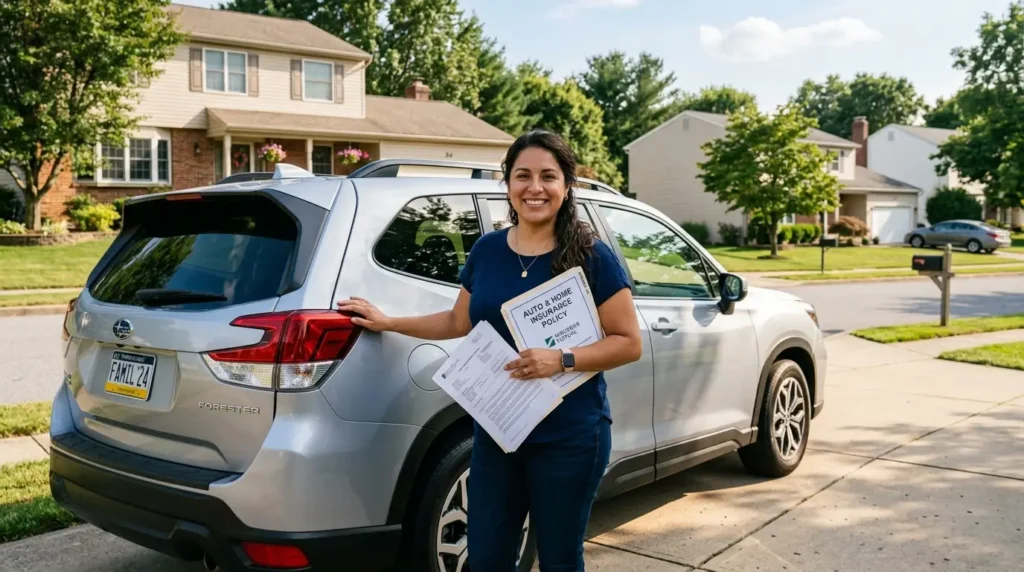
Many states offer low income auto insurance programs specifically designed for single mothers and families meeting income eligibility requirements. These programs provide liability coverage at 40 percent to 70 percent below standard market rates.
California Low Cost Auto Insurance Program: Single mothers earning below 250 percent of the federal poverty level qualify for liability coverage starting at 300 dollars to 500 dollars annually. The program provides state minimum liability limits through participating carriers.
New Jersey Special Automobile Insurance Policy: Covers Medicaid eligible drivers with liability only coverage for approximately 365 dollars annually. Single mothers receiving government assistance qualify automatically, reducing premiums by 60 percent to 75 percent compared to standard market rates.
Hawaii Auto Insurance Program: Offers liability coverage to low income drivers for 180 dollars to 400 dollars annually. The savings reach 800 dollars to 1,200 dollars compared to standard policies.
Beyond state specific programs, single mothers should investigate affinity programs through employers, credit union insurance partnerships, and non profit assistance organizations like United Way chapters that sometimes provide premium assistance or connect parents with affordable coverage options.
Expensive Mistakes to Avoid
Avoiding costly errors proves as important as implementing savings strategies. Single mothers frequently make these expensive mistakes that inflate premiums unnecessarily.
Accepting Automatic Renewals
Loyalty rarely rewards policyholders in auto insurance. Carriers offer the lowest rates to new customers while gradually increasing existing customer premiums by 3 percent to 8 percent annually. A single mother staying with the same carrier for five years often pays 20 percent to 35 percent more than switching to a competitor offering new customer rates.
Carrying Unnecessary Coverage Types
Rental reimbursement coverage costs 40 dollars to 80 dollars annually but provides only 30 dollars to 50 dollars daily during repairs. Single mothers with access to backup vehicles waste money on this coverage. Similarly, roadside assistance duplicates credit card benefits. Paying both a membership and insurer roadside coverage wastes money when services never stack.
Underestimating Liability Limits
Single mothers often maintain state minimum liability limits while carrying comprehensive coverage on vehicles worth 2,000 dollars. This allocation protects the least valuable asset while exposing personal savings to lawsuits. A parent with modest savings should prioritize high liability limits protecting their assets rather than insuring the physical damage of a low value vehicle.
Ignoring Credit Score Impacts
Many single mothers focus exclusively on their driving record while neglecting credit scores that affect premiums equally in most states. A 100 point credit score decline triggers massive annual premium increases. Paying attention to on time payments and credit utilization directly reduces insurance costs.
Adding Teen Drivers Without Maximizing Discounts
Parents adding teenage drivers without requiring good grades, defensive driving courses, and safe driving monitoring apps miss 20 percent to 40 percent in available teen specific discounts. These requirements benefit both insurance savings and teen safety simultaneously.
Take Action to Reduce Your Costs Today

Single mothers successfully reducing car insurance premiums combine multiple strategies simultaneously. Start by comparing quotes from five to eight carriers. Increase deductibles if you maintain adequate emergency savings. Drop collision and comprehensive coverage on vehicles worth less than 4,000 dollars. Bundle auto insurance with renters coverage for massive multiple policy discounts.
Request all available discounts explicitly and verify they appear on your policy declarations page. Maintain continuous coverage without lapses even during financial difficulties. Work on credit score improvement and enroll in usage based insurance programs monitoring safe driving behaviors. For more guidance on protecting your family from unexpected financial burdens, see our comprehensive guide on income protection insurance.
Frequently Asked Questions
How much car insurance do single moms typically pay?
Single mothers typically pay between 1,800 dollars and 2,600 dollars annually for full coverage. The exact amount depends heavily on the state of residence, driving record, vehicle type, and chosen coverage limits. By implementing targeted discount strategies, many solo parents can reduce this baseline cost significantly.
What is the cheapest car insurance company for single mothers?
No single carrier is universally the cheapest for all single moms. Companies like Geico, Progressive, and State Farm frequently offer competitive rates depending on your specific risk profile. The most effective approach is comparing quotes from five to eight different carriers to find the lowest price for your exact situation.
Can I get car insurance with bad credit as a single mom?
Yes, you can absolutely secure coverage with poor credit. Focus on carriers that minimize the weight of credit scores in their underwriting, such as Geico or Progressive. Additionally, many state programs designed for low income drivers completely ignore credit scores, offering affordable liability coverage regardless of financial history.
How much does adding a teenage driver increase insurance?
Adding a teenage driver typically increases premiums by 50 percent to 120 percent. For example, a 1,500 dollar annual policy might jump to 2,250 dollars or even 3,300 dollars after adding a teen. However, requiring good grades and defensive driving courses can offset a significant portion of this increase.
What discounts can single mothers get for car insurance?
Single mothers can access numerous discounts, including good student, multiple policy bundles, low mileage, affinity groups, safety features, defensive driving, and auto pay. When properly stacked, these discounts frequently reduce the total premium by 25 percent to 45 percent, making comprehensive protection much more affordable for budget conscious families.
Should single moms drop full coverage on older cars?
Yes, dropping full coverage is highly recommended when vehicle value drops below 3,000 dollars or 4,000 dollars, especially if physical damage premiums exceed 10 percent of the car value. However, you must always maintain liability coverage to protect your personal assets and satisfy state legal requirements for driving.
Do single mothers pay more for car insurance than married couples?
Yes, single drivers statistically pay 5 percent to 15 percent more than married couples due to actuarial risk differences. Insurers view single households as slightly higher risk. However, aggressive comparison shopping, maintaining a clean record, and stacking eligible discounts easily offset this demographic penalty and secure affordable rates.
Can I insure my car with just liability coverage?
Yes, liability only coverage is perfectly legal and costs between 400 dollars and 900 dollars annually. It satisfies all state legal requirements for driving. You should only add collision and comprehensive coverage if you are leasing a vehicle or driving a newer, more valuable car that requires financial protection.
How often should single moms compare car insurance rates?
You should compare rates from five to eight carriers annually, ideally right before your renewal date. Insurance rates change frequently based on market conditions and your personal profile. Switching carriers every two to three years is one of the most reliable ways to optimize savings and avoid loyalty penalties.
What assistance programs help single mothers afford car insurance?
State programs in California, New Jersey, and Hawaii provide massive discounts of 40 percent to 70 percent for eligible low income drivers. Additionally, employer affinity programs and credit union partnerships frequently offer 10 percent to 20 percent reductions. Checking these local resources is essential for budget conscious parents.
Disclaimer: This content is general education drawn from published industry rate data, and does not replace advice from a licensed insurance agent or your state insurance department. Coverage terms, availability, pricing, and discount eligibility vary by carrier and state. Consult a licensed insurance professional for policy specific advice tailored to your unique financial situation.